

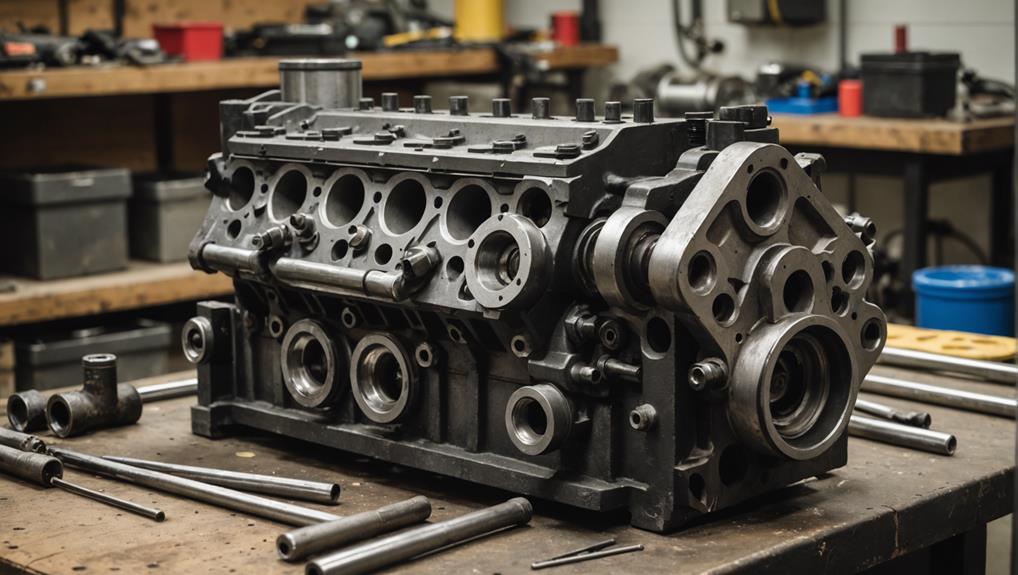
A diesel engine overhaul means stripping the engine right back, measuring every wear surface, machining what needs it, and rebuilding it with new bearings, rings, seals and gaskets so it runs to factory clearances again. It is a workshop job, not a weekend driveway one. Done properly, it gets a tired diesel back to honest power and oil control without the cost of a whole new engine. Done cheaply, it fails again inside a year. This post walks you through what is actually involved, the warning signs that point to one, and how an overhaul differs from a full rebuild or an outright engine swap.
What is a diesel engine overhaul?
An overhaul is a full strip-down, inspect, measure and rebuild of your engine. We pull it out, break it down to the bare block, then clean and measure every load-bearing part against the manufacturer’s spec. Worn items get machined back true or replaced. Then it goes back together with fresh bearings, rings, seals and gaskets, torqued and clearanced to the book.
The point is not just swapping parts. It is measuring. A bore can look fine to the eye and still be out of round by enough to wreck a new set of rings. We check the crank, the bores, the journals, the head and the deck with proper gauges, because guesswork is what turns a rebuild into a do-over. If you want the bigger-picture context, here is more on diesel engine rebuilds and how we approach them.
What are the signs your diesel needs an overhaul?
Most engines warn you well before they let go. The classic signs are heavy blow-by, climbing oil use, low or uneven compression, a deep knock, persistent overheating, or metal showing up in the oil. One of these on its own might be something smaller. Several together usually means the bottom end or the bores are worn out.
Here is what each one tends to point at:
- Excessive blow-by: oil mist or pressure pushing out the oil filler or breather. Usually worn rings or bores letting combustion past the pistons.
- Burning oil: you are topping up between services and seeing blue-grey smoke. Tired rings, bores or valve seals.
- Low or uneven compression: hard starting, rough running, down on power. We confirm it with a compression and leak-down test before recommending anything.
- Knocking from the bottom end: a deep, rhythmic knock that changes with load often means worn big-end or main bearings.
- Overheating that keeps coming back: can point to a cracked head, blown gasket or worse, and can be a cause of deeper damage.
- Metal or glitter in the oil: bearing material or debris in the sump is a serious flag. Stop driving and book it in.
If a few of these line up, don’t keep nursing it. Driving a worn diesel hard can turn a tidy overhaul into a scrap block. Get it looked at before the bottom end gives way.
What does an engine overhaul actually involve?
It runs in a set order, and every step matters. Skip the measuring and you are just hoping. Here is roughly how an overhaul goes in our shop:
- Remove and strip: the engine comes out and gets broken down to the bare block. Everything gets labelled and inspected as it comes apart, because how it failed tells us what to check.
- Clean and inspect: parts are cleaned properly so we can actually see cracks, scoring and wear. The block and head get crack-tested where it counts.
- Measure to spec: bores, crank journals, bearing clearances, the head and deck surfaces are all gauged against factory figures. This is the step that decides what machining is needed.
- Machining: bores honed or rebored, crank ground or polished, head decked and valves done as required. We send work to trusted machinists who do diesel properly.
- Reassemble with new parts: new bearings, rings, seals, gaskets, and any worn item replaced. Everything torqued and clearanced to the manufacturer’s spec, not by feel.
- Refit and run-in: the engine goes back in, gets primed, filled and started, then run in carefully. With an in-house dyno we can load it up and confirm it is making proper power and holding oil pressure before it goes back to you.
Why so fussy about measuring? Because a diesel lives or dies on clearances. A few hundredths out on a bearing and you have lost oil pressure or set up a knock that ends the rebuild early. Doing it once, properly, is cheaper than doing it twice.
Overhaul, full rebuild, or replacement engine?
These three get mixed up all the time, so here is the plain difference. An overhaul typically focuses on the worn wear items: rings, bearings, seals, a bore hone, maybe the head. A full rebuild goes further, often a rebore and crank grind, new pistons, a full head rebuild, the lot, bringing the engine back close to new. A replacement engine means dropping in a fresh or reconditioned unit instead.
Which one is right depends on what the measuring finds and the condition of the core. If the block and crank are healthy, an overhaul or rebuild makes sense. If the block is cracked or the core is too far gone, a replacement engine can be the smarter spend. We will tell you straight which way the numbers point for your engine rather than selling you the biggest job. Book in for a quote and we will assess it first.
How do you care for a freshly overhauled engine?
The run-in period sets up how long the rebuild lasts. Fresh rings and bearings need to bed in under load, and the first few hundred kilometres are where you either help that or hurt it. Treat a newly overhauled engine gently and it will reward you for years.
A few honest run-in basics:
- Vary the load and revs in the early kilometres. Don’t sit at one steady speed for hours, and don’t labour it up big hills loaded to the roof.
- Avoid full-throttle hammering and heavy towing until it has bedded in and had its first oil change.
- Do the early oil and filter change on schedule. That first oil carries away the bed-in debris, so it earns its keep.
- Keep an eye on temps and oil level for the first few weeks and report anything odd straight away.
After that, ordinary good habits keep it healthy: clean fuel, on-time oil and filters, and not ignoring small problems. There is more on that in our guide to looking after your diesel engine.
FAQ
How long does a diesel engine overhaul take?
Is an overhaul cheaper than a new engine?
Can you overhaul any diesel?
If your diesel is using oil, down on power, knocking or showing metal in the sump, get it assessed before it gets worse. See our workshop for what we do, or book it in for a look and a quote at Oxley or Warana.